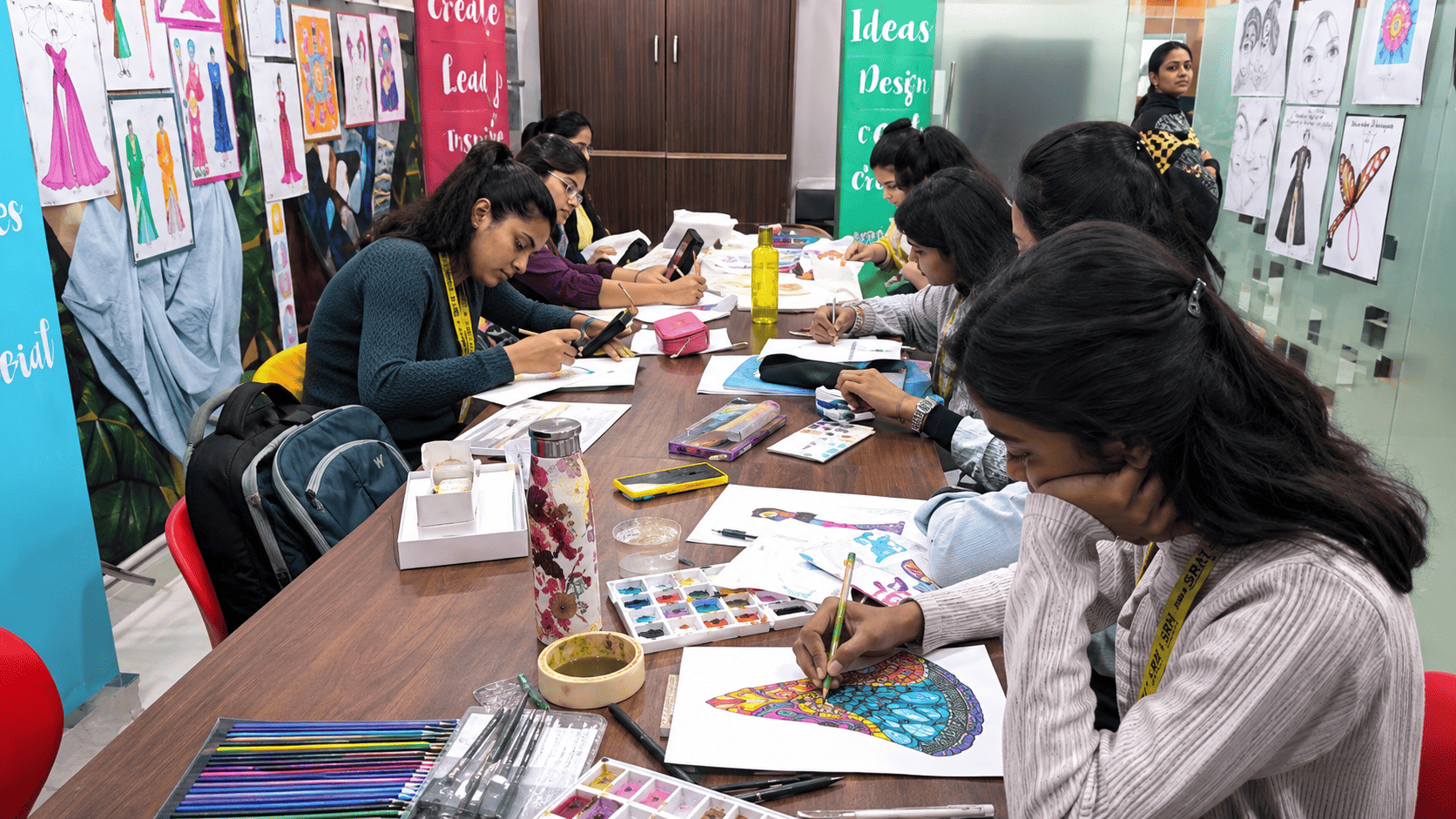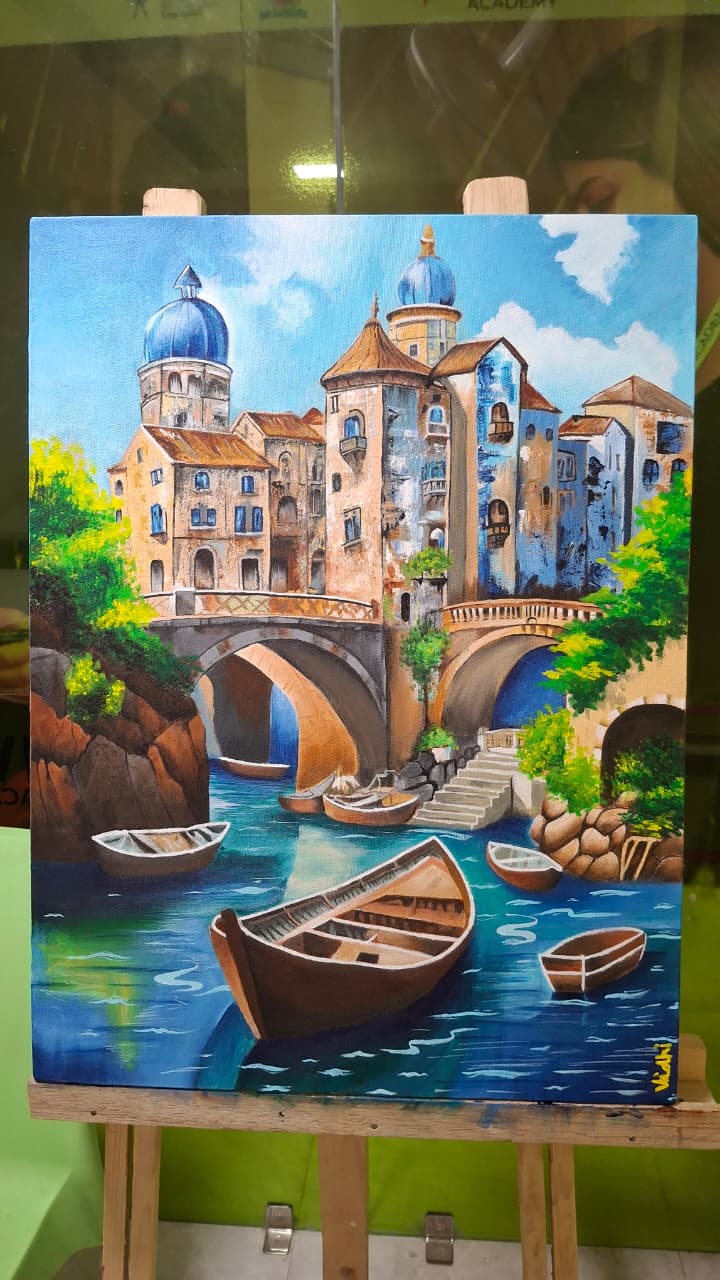
You’ve always looked at the world a little differently, haven’t you? Where others see a bare wall, you picture a mural bursting with color. While most scroll past photos online, you stop and wonder about the story, the mood, the intention behind them. You pay attention, and you create. Somewhere along the way, maybe somebody said, “That’s nice, but creative work isn’t a real job.” Well, it’s time to show them they were wrong.
Fine Arts isn’t a weekend hobby anymore; it’s become a thriving profession. Young people all over India are waking up to the opportunities, not just in art galleries, but across industries that need creative skills. If you’re wondering whether a fine arts course actually leads somewhere, here’s the truth: it does. And the creative economy is waiting for you.
So, what do we really mean by “Fine Arts”?
It’s not just about splashing paint or sketching shapes. Fine Arts is the study and practice of visual art forms meant to express and communicate, not just decorate. It covers way more than people think: drawing, painting, illustration, sculpture, and everything visual artists do to share ideas and stories.
In a typical fine arts course, you dive into:
Drawing: Learning to observe, sketch, and capture what you see, with real feeling and accuracy.
Painting: Exploring different materials such as watercolour, oil, acrylic, and more to build layered, expressive images.
Illustration: Telling stories through pictures, bringing characters to life both in print and online.
Sculpture: Creating art in three dimensions, working with clay, metal, stone, or anything you can shape.
Visual Arts & Creative Expression: Understanding composition, color theory, installation, and modern conceptual art.
Fine Arts isn’t just about making pretty things. It teaches you to look, to think, to communicate in ways most people never master, and those skills are in demand like never before.
Why are more students jumping into Fine Arts?
Something’s changed. Creative careers aren’t just “extra”; they’re essential. The global creative economy grows faster than just about any other sector. Advertising, animation, gaming, publishing, fashion, film, digital media, every single one depends on talented artists. And companies finally get it: art isn’t just decoration, it’s strategy.
Here’s what’s fueling interest:
Digital Media Boom: There’s a huge need for artists who create content, digital illustrations, and social media visuals at a professional level.
Design Thinking Everywhere: From tech to healthcare to education, people who solve problems visually and creatively are wanted.
Freelance & Creator Economy: Nowadays, more artists build sustainable careers through commissions, licensing, teaching, and online platforms. The old stereotype about starving artists doesn’t hold up.
Originality Matters: When generic content floods the internet, original creative voices cut through the noise. Skilled fine artists have a big advantage.
Choosing Fine Arts now means jumping into a profession that’s actually growing.
What do you gain from a Fine Arts course?
It’s more than technical training. Fine Arts changes the way you see and solve problems.
By the time you finish, you’ve built:
Creativity: Not just once in a while, but every day. You know how to make fresh ideas happen.
Observation: You pick up on details, light, color, and shapes that others miss.
Visual Storytelling: You share complex ideas, moods, and narratives with images.
Design Thinking: You face challenges with imagination and keep people at the center of your solutions.
Communication: Artists don’t just talk about art, they explain, pitch, and share their vision clearly.
Confidence & Self Expression: You recognize your own creative style and use it with pride.
These aren’t “soft” skills. They’re exactly the traits employers in every field want.
What careers can you chase after Fine Arts?
People still think Fine Arts just leads to teaching or life as a struggling artist. Honestly, the options are much wider.
Here’s a taste of what’s possible:
Professional Artist: Selling original art through galleries, exhibitions, commissions, and online.
Illustrator: Crafting visuals for books, brands, agencies, and media companies.
Graphic Designer: Mixing artistic skill with digital tools to create brand visuals.
Visual Designer: Building digital products, working in UX, or designing for brands.
Animator: Breathing life into stories and characters for film, games, and media.
Creative Director: Leading teams and shaping the creative direction for campaigns and productions.
Art Teacher/Educator: Passing your skills on to students in schools or online.
Art Consultant: Advising businesses and collectors on art purchases and displays.
Freelancer: Taking commissions, licensing your work, and collaborating widely.
Entrepreneur: Launching a studio, creative agency, product line, or art brand.
The career options are wide open, and if you’re willing to put in the work, the field rewards creativity and persistence.
Why pick IWP Academy for your Fine Arts degree?
Your education shapes your career. If the course is all theory, you could feel lost when you graduate. But when the focus is practical, with real projects and portfolio building, you get a head start.
IWP Academy’s Fine Arts program gets you hands on from the start. You don’t just sit through lectures. You tackle real creative work early on, building both skills and a portfolio that actually counts. Plus, the faculty brings real world experience into the classroom. You learn not just how to create, but how the creative industry works in practice.
If you’re serious about your talent and want a solid foundation, check out IWP Academy’s Fine Arts Course. You’ll see details on the curriculum, the practical approach, and the career options available.
Who can join Fine Arts courses?
Fine Arts welcomes a broad range of learners:
Just finished 10th: Certificate or foundation programs help you start young and grow your creative muscle.
After 12th: Most enroll here, with diploma and degree programs focused on both skill and professional readiness.
Graduates: Whether you’ve studied arts, science, or commerce, Fine Arts can steer your career in an exciting new direction.
Any creative person, any stage: If you’re passionate about art and ready to take it seriously, there’s a course for you.
Looking ahead: The scope of Fine Arts in India and beyond
India’s creative industries are booming: advertising, media, digital art, gaming, education, publishing, and fashion. Every campaign, every brand, every new content needs creative minds behind it.
Digital Art Careers: NFT art, digital illustrations, concept art for gaming and film, motion graphics. These are thriving fields for fine arts graduates.
Freelancing: Thanks to global platforms, Indian artists connect with international clients, build worldwide audiences, and earn competitive incomes.
Entrepreneurship: Graduates launch studios, product lines, online schools, or agencies. The barriers to business are lower than ever.
Global Demand: As creative work gains value everywhere, trained artists with strong portfolios find opportunities far beyond their hometowns.
Honestly, the future isn’t uncertain. It’s packed with possibilities.
Bottom line:
Your creativity isn’t a weakness to hide. It’s a strength. A fine arts course bridges the passion you feel with the career you want. The creative economy is booming, and skilled artists are in demand. The variety of jobs and paths available is bigger than most people know.
Your creative urge isn’t just a passing phase. It’s worth following.
Ready to start? Begin your Fine Arts journey at IWP Academy.
If you’re ready to take your creativity seriously, IWP Academy gives you the tools for a rewarding career in Fine Arts. With practical training, experienced teachers, and real support for student growth, it’s the place where your talent turns into real achievement. Visit and explore the Fine Arts Course. Your career begins with one move.
FAQs
- What is a Fine Arts course?
A Fine Arts course teaches you the theory, methods, and practice behind visual art: drawing, painting, illustration, sculpture, and creative expression. These programs run from short certificates to full diplomas and degrees, all designed to build both skills and your unique creative voice.
- Who can join?
Anyone! Students right after 10th or 12th, graduates from any stream, or anyone passionate and ready to grow creatively. Most courses don’t need formal art training, just a genuine drive to learn.
- What careers can you pursue?
Fine Arts graduates work as professional artists, illustrators, graphic designers, visual designers, animators, creative directors, teachers, consultants, freelancers, and entrepreneurs. Opportunities span advertising, media, gaming, education, publishing, fashion, and much more.
- Is Fine Arts a good career in India?
Absolutely. India’s creative industries are booming, and demand for skilled artists is high across advertising, digital media, animation, gaming, publishing, and design. Plus, with the rise of freelancing and the creator economy, it’s easier than ever to build a sustainable practice.
- Can you build a successful career?
Yes! Many artists thrive by combining strong technical skills, a unique voice, professional discipline, and the ability to communicate their work to clients and audiences. A quality fine arts course gives you the foundation. The rest comes from practice, portfolio building, and confidence to share your art with the world.