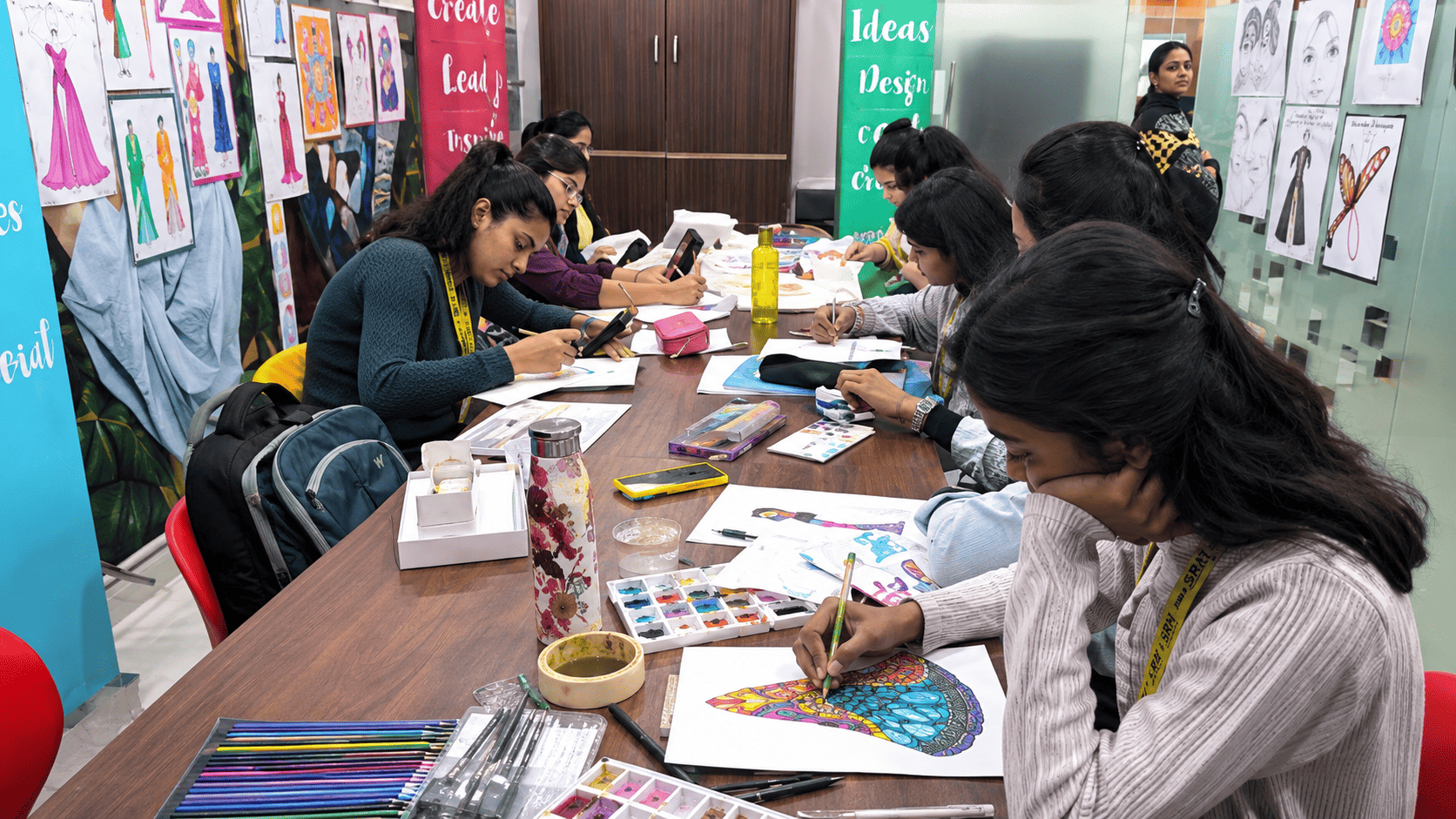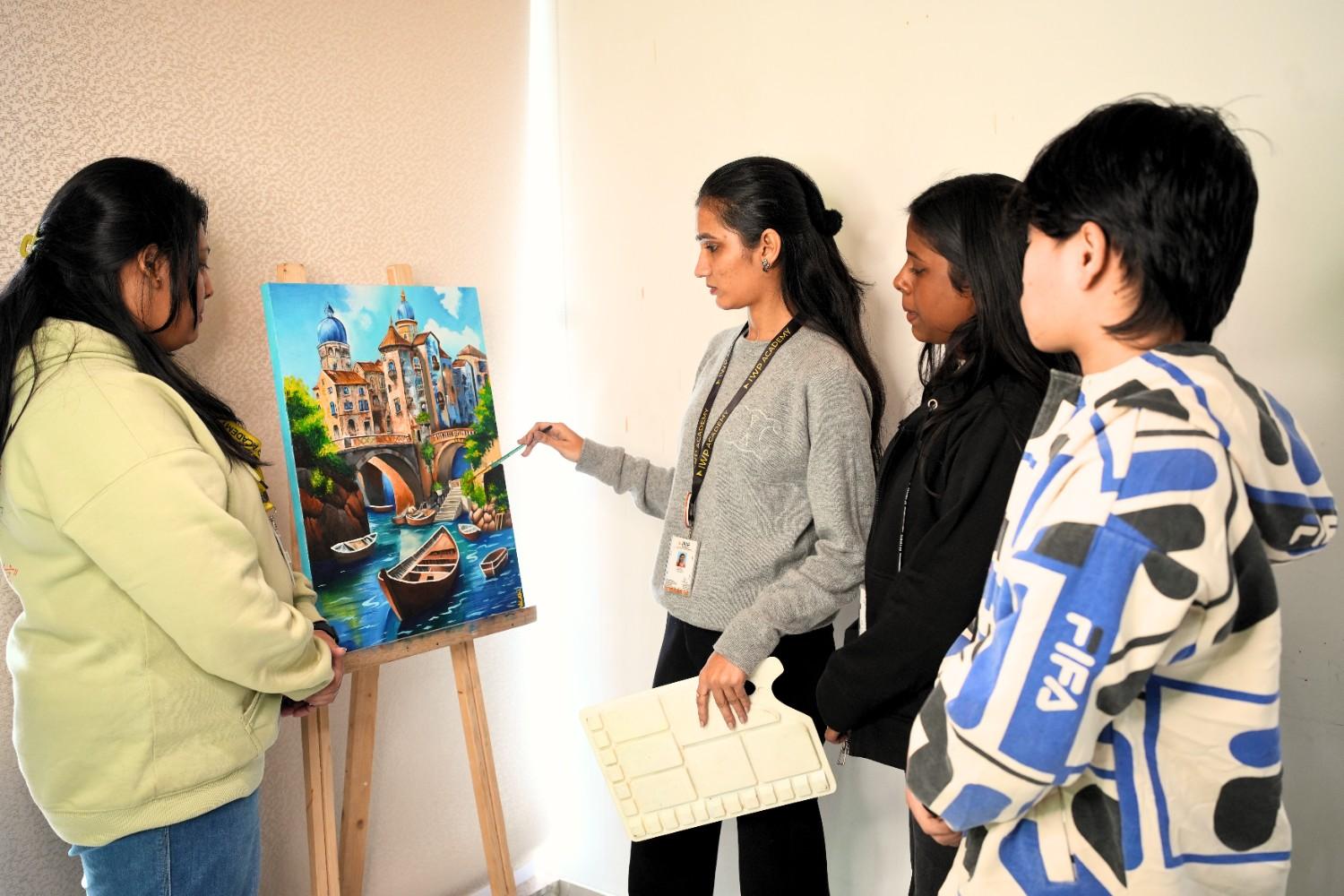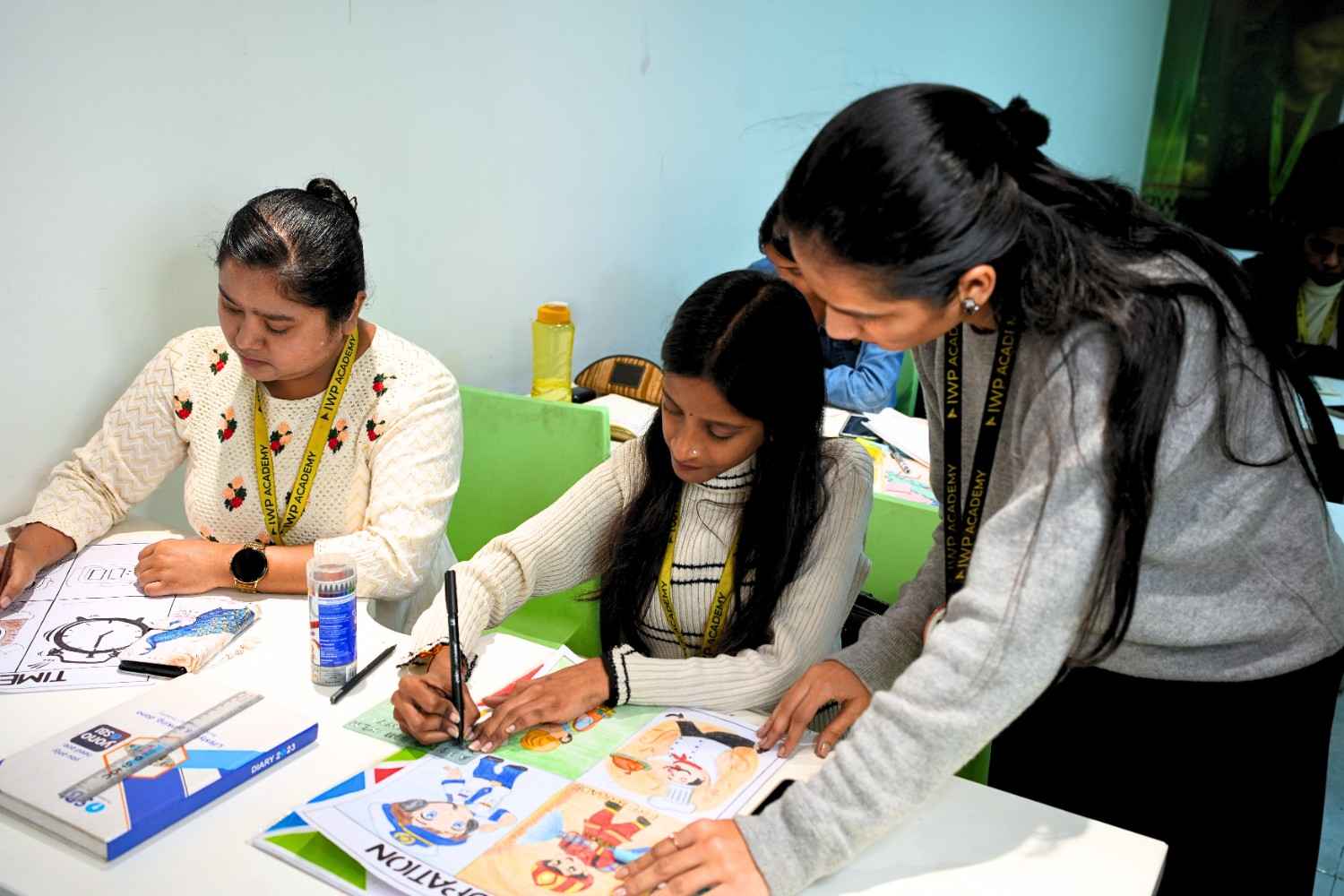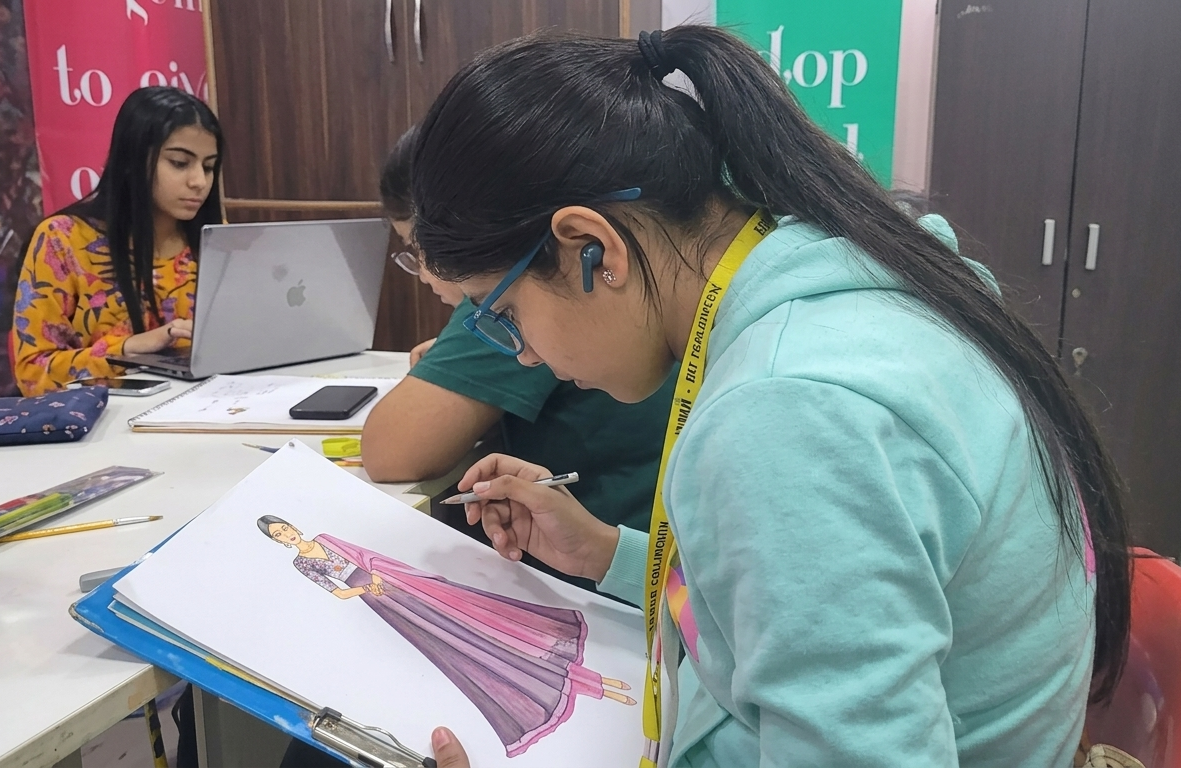
You love to draw. You could spend hours drawing in a sketchbook painting on a canvas or designing something on your computer screen.. Then someone tells you "That is a nice hobby but what is your real career plan?" This is something that millions of students in India can relate to. They are told that a career in arts is not stable it is limited or it is only for people who are very lucky. So they put their passion aside choose a path and spend years feeling disconnected from what they really love.
Here is the truth: the future of fine arts careers has never looked better than it does right now. The world is more visual than it has ever been before. Companies, businesses, digital platforms, gaming studios, film productions and content creators are all looking for creative professionals.. They cannot find enough of them. If you have a passion for arts this is not the time to give up on it. This is the time to take it seriously.
Fine arts is an exciting field that covers everything related to visual creativity and expression. It includes things like drawing, painting, printmaking and sculpture as well as modern things like digital illustration, animation, graphic design, visual storytelling and concept art. When you study arts you are not just learning how to draw better. You are developing a language that allows you to communicate ideas, emotions and stories through visuals. In todays world that skill is very powerful.
A structured fine arts course covers both the basics and the skills that are relevant to the industry. It prepares students for careers that actually exist not in theory.
There are reasons why fine arts is becoming a popular career choice.
-
The digital industry is growing fast. Every app, website, game, film and product you see has been touched by a professional at some point. The global digital media industry is growing at a pace that's faster than the supply of skilled artists and designers. This creates opportunities for trained fine arts professionals who understand both aesthetics and digital tools.
-
Creating content is now a full-time career. Social media has changed the way the world consumes content. Companies, influencers and even government organizations need visual content from illustrations and infographics to animated reels and branded graphics. A fine arts graduate who understands communication is exactly what this space needs.
-
Animation and gaming are becoming very popular. Indias animation and gaming industry has grown significantly over the decade. Studios are hiring concept artists, character designers, background artists and animators regularly. With global studios outsourcing work to talent the demand for skilled professionals in this space is only going up.
-
Branding and advertising need minds. Every company needs an identity. From logos and packaging to campaign visuals and social media graphics the advertising industry runs on talent. Art directors, brand designers and visual artists are consistently among the valued professionals in any marketing team.
-
Freelancing has made it possible for artists to work with clients from over the world. Thanks to platforms that connect professionals with global clients, a talented artist in Delhi or Mumbai can work with clients in London, New York or Tokyo. The fine arts career opportunities available to an well-trained professional today are genuinely global.
A quality fine arts program teaches students more than just painting techniques. Here is what a rounded curriculum typically covers:
-
Sketching and drawing: The foundation of all arts. Students learn proportion, perspective, shading and line work from the ground up.
-
Painting: Both mediums like watercolor, acrylic and oil as well as an understanding of color theory and composition.
-
Digital illustration: How to use industry- tools to create professional-quality digital artwork for various platforms and industries.
-
thinking and concept development: How to develop original ideas solve visual problems and bring a creative concept to life.
-
Visual storytelling: How to guide a viewers eye create impact and communicate a message without using a single word.
-
Design fundamentals: Layout, typography, hierarchy and the principles that make visual communication effective than just decorative.
These are not just skills. They are tools that translate directly into marketable careers.
If you are wondering what you can actually do with a fine arts qualification the answer might surprise you. The career in arts today spans a wide range of industries and roles:
-
Graphic designer: Create visual content for companies, publications, websites and marketing campaigns.
-
Illustrator: Work with publishers, advertising agencies, app developers or as a creator.
-
Animator: Bring characters and stories to life for films, series, games and digital media.
-
Art director: Lead the direction of campaigns, films, publications or product designs.
-
Visual artist and fine artist: Exhibit work, collaborate with galleries or build an independent creative practice.
-
Digital artist: Create artwork for games, virtual reality, concept visualization and digital platforms.
-
freelancer: Take on diverse projects across industries building your own client base and creative brand.
The variety of fine arts jobs today reflects how deeply creativity is embedded in almost every modern industry.
Passion alone is not enough to build a visual arts career. What separates a hobbyist from a professional is training, structure and real-world experience. A professional fine arts course gives you that. It teaches you the skills you need exposes you to industry standards helps you build a portfolio that speaks for itself and connects you with mentors who have walked the path before you.
A portfolio is especially important. When you apply for jobs or approach clients nobody asks for your exam scores. They ask to see your work. A strong curated portfolio is your passport into the creative industry and building one takes time, guidance and the right kind of practice.
Delhi is a place to study fine arts. Delhi is one of Indias creative and culturally rich cities and it is an excellent base for any aspiring fine arts professional. The city is home to a thriving advertising and media industry, a growing ecosystem that values design, well known galleries and cultural institutions and a network of creative professionals spanning every field. Studying arts in Delhi means constant access to creative inspiration, industry events, live exhibitions and potential employers.
If you are ready to move from passion to profession the first step is finding the program. Students who want to explore structured industry-oriented training can check out the Fine Arts course at IWP Academy designed specifically to prepare students for real-world careers in the visual arts industry.
The future of fine arts careers is not uncertain. It is expanding. Every year the demand for creative professionals grows across digital media, animation, design, branding and content creation. The only thing holding talented students back is the belief that their passion is not practical. It is practical. It is in demand.. It is waiting for people exactly like you.
The world needs people who can think visually communicate creatively and bring ideas to life through arts. If that sounds like you then fine arts is not a passion. It is a profession.. It is time to treat it like one.
Start your journey today. If you are a student who loves arts and is ready to turn that love into a career do not wait. Reach out to IWP Academy explore the fine arts programs on offer and take the first real step toward the creative career you have always imagined. Your future as a professional starts with one decision today.
Frequently Asked Questions
Is arts a good career?
Fine arts is a growing and diverse career field with opportunities in design, animation, advertising, digital media, illustration and more. As industries become increasingly visual the demand for trained professionals continues to rise. With the skills and a strong portfolio a career in fine arts can be both creatively fulfilling and financially rewarding.
What jobs can I get after completing a fine arts course?
Graduates with a fine arts qualification can pursue roles such as designer, illustrator, animator, art director, visual artist, digital artist, concept artist, brand designer and creative freelancer among many others. The specific path depends on your area of specialization and the skills you develop during your training.
What skills are needed to succeed in arts?
Core skills include drawing and sketching color theory, composition, digital illustration, creative thinking, visual storytelling and an understanding of design fundamentals. In addition to skills the ability to take feedback meet deadlines and communicate your ideas clearly is equally important in a professional context.
Can beginners join a fine arts course?
Yes. Most professional fine arts courses are designed to take students from the level upward. You do not need formal training to begin. What matters more is your interest, willingness to learn and commitment to putting in practice. A good program will guide you from the basics to professional-level skills step, by step.
What is the salary after completing arts?
The salary for arts is different for each job. It also depends on how experience you have and what kind of company you work for. If you are just starting out as a designer or illustrator in India you can expect to earn around 2.5 to 5 lakhs per year.. If you are a good animator or art director or senior designer with a lot of experience you can earn a lot more. Some people do fine arts work on their own. Do not have a regular job. These freelancers can earn a lot of money especially if they work with clients from countries. The fine arts salary can be very good if you are really good, at what you do and work with arts all the time.